5/5 (2 Votes)
When considering basement renovations or structural improvements, homeowners often encounter the terms “basement underpinning” and “benching.” Both techniques are commonly used to increase basement height or reinforce the foundation, but they serve different purposes and involve distinct processes.
Understanding the differences between basement underpinning and benching is crucial for making informed decisions about which method best suits your needs.
Basement Underpinning: Strengthening from Below
Basement underpinning stands as a formidable structural strategy to fortify the groundwork of a building by extending its subterranean reach. This method entails excavating sections beneath the existing foundation and infusing them with concrete to fashion a deeper and more steadfast base.
Typically, underpinning endeavours seek to augment ceiling height or rectify foundation issues.
The Basement Underpinning Process
Assessment
Before embarking on any groundwork, a meticulous appraisal of the current foundation is conducted. This evaluation encompasses diverse considerations, including soil composition, structural burdens, and the anticipated outcomes of the underpinning procedure.
A thorough grasp of the project’s specific demands is imperative for underpinning.
Excavation
Following the assessment, segments of the basement floor are excavated beneath the prevailing foundation. This excavation operation proceeds in gradual stages, preserving the building’s structural integrity throughout the underpinning venture.
Installation of Supports
Temporary supports are essential to upholding the structure’s stability during the underpinning process. These supports evenly disperse the building’s weight while the foundation undergoes reinforcement.
Concrete Infusion
Upon the conclusion of excavation and support, concrete is poured into the freshly formed cavities beneath the existing foundation. This infusion of concrete effectively extends the foundation’s depth, furnishing added support and stability.
Curing and Finalization
Subsequent to the concrete infusion, a curing phase begins. Throughout this stage, culminating touches such as waterproofing and flooring installation are administered. These conclusive measures ensure that the newly bolstered foundation is impervious to moisture and primed for occupancy.
Advantages of Basement Underpinning
- Increased Ceiling Height: Underpinning facilitates the expansion of usable space within the basement by elevating ceiling height.
- Foundation Strengthening: This method fortifies the foundation, mitigating concerns such as settlement or structural instability, thus ensuring the long-term durability of the building.
- Tailored Solutions: Basement underpinning can be customized to align with the specific requirements of the project, enabling personalized solutions tailored to the homeowner’s unique needs.
Benching: Facilitating Additional Space Above
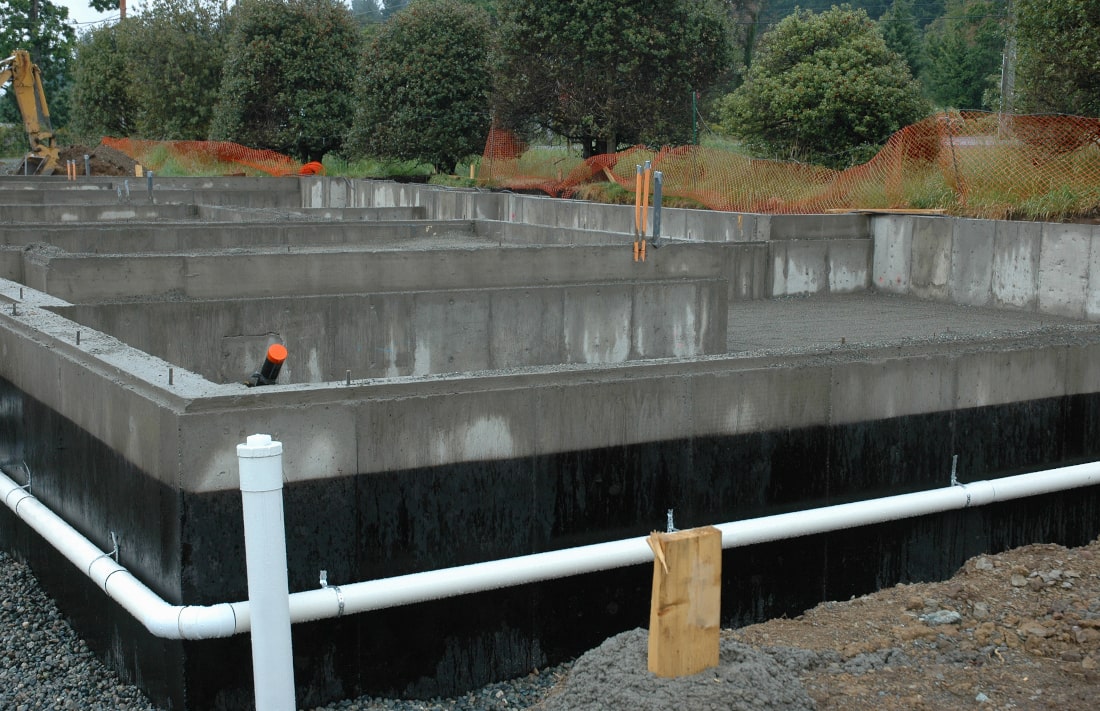
Benching, also referred to as bench footing or bench foundation, entails excavating around the perimeter of the basement and pouring concrete to establish a bench-like structure.
Unlike underpinning, which concentrates on fortifying the foundation from below, benching primarily aims to augment living space by expanding the basement area horizontally rather than vertically.
Benching Process
Excavation
The perimeter of the basement is excavated to a predetermined depth, typically below the frost line and below the existing foundation, creating space for the bench-like structure.
Formwork Installation
Formwork is installed along the excavated perimeter to delineate the shape and dimensions of the bench structure. This formwork serves as a template for the concrete that will be poured to construct the bench foundation.
Concrete Pouring
Once the formwork is in place, concrete is poured into the excavated area, forming the bench foundation. The concrete fills the void created by excavation, providing a stable base for the expanded basement area.
Curing and Backfilling
Following concrete pouring, a curing period is observed to allow the concrete to solidify. Once cured, the excavated area is backfilled to ground level, ensuring support for the bench foundation.
Finishing
With the bench foundation established, final touches such as waterproofing and interior remodelling are executed. These concluding steps culminate the benching process, generating additional living or storage space in the basement.
Advantages of Benching
- Augmented Floor Space: Benching enhances the usable floor area of the basement, furnishing additional living or storage space without the need for altering ceiling height.
- Cost-Effectiveness: In comparison to underpinning, benching often proves to be a more cost-effective solution for expanding basement size, making it appealing for homeowners adhering to budgetary constraints.
- Minimal Disruption: The benching process typically entails minimal disruption to the existing structure compared to underpinning, facilitating swifter completion and less inconvenience to the homeowner.
Insights for Basement Renovation Excellence
Basement transformation, whether involving underpinning, benching, or other enhancements, requires the consideration of several crucial elements:
- Adherence to Building Codes and Permitting: Grasping and adhering to local building codes and regulations, alongside securing necessary permits, form the foundational steps to ensure compliance with safety standards and legal mandates.
- Thorough Structural Evaluation: Undertaking a comprehensive assessment of the basement’s structural robustness is imperative. Identifying and rectifying any prevailing issues before initiating renovations is paramount to safeguard the structural integrity of the space.
- Effective Moisture Management: Enforcing robust moisture control strategies is imperative to preventing mould, water-related harm, and structural deterioration. Skillful implementation of waterproofing systems, drainage remedies, and adequate ventilation is pivotal for sustaining a dry basement.
- Strategic Design and Functionality Planning: Intentional planning customized to the homeowner’s distinct needs and inclinations is crucial for optimizing the functionality and usability of the remodelled basement. Delving into aspects such as layout, illumination, and storage solutions ensures the space is tailored to fulfill the homeowner’s aspirations.
- Budgetary and Timeline Oversight: Establishing budgets and timelines is pivotal for streamlined project governance. Factoring in expenditures such as materials, labour, permits, and unforeseen circumstances facilitates effective cost control and ensures punctual project culmination.
- Emphasis on Superior Craftsmanship: Prioritizing top-notch craftsmanship not only yields exceptional results, but also enhances the overall worth of the property. Handpicking professionals with a proven history is vital for attaining better outcomes.
Selecting the Optimal Solution
When confronted with the decision between basement underpinning and benching, it’s crucial to weigh factors such as structural prerequisites, spatial restrictions, financial boundaries, and project schedules. Equipped with professional guidance and careful planning, homeowners can embark on their journey of basement transformation with confidence.
All in all, both basement underpinning and benching offer valuable methods for augmenting the functionality and structural integrity of a basement. By discerning the nuances between these approaches and assessing individual project requisites, homeowners can make informed decisions to effectively achieve their renovation goals.
For guidance when it comes to your basement renovation, reach out to Penguin Basements today. Our team of seasoned experts specializes in basement underpinning, benching, and renovation services.
Allow us to aid you in transforming your basement into a functional and inviting space. Contact Penguin Basements now to schedule a consultation and take the first step toward bringing your basement renovation aspirations to life.

Christian Saunders, a seasoned marketing professional hailing from Toronto, Ontario, brings over 5 years of valuable experience to our team.
As a key member of our company, Christian plays a pivotal role in crafting compelling content that you encounter on our website and social media platforms. With a keen eye for detail and a passion for effective communication, Christian ensures that our brand's message resonates with our target audience. Beyond his desk, you might spot Christian on our job sites, skillfully capturing multimedia to enhance our visual storytelling.
Don't hesitate to say hello when you see him in action! Christian's dedication and expertise contribute significantly to our mission of delivering exceptional experiences to our valued clients.
[elfsight_social_share_buttons id="1"]